- December 18, 2025


In today's rapidly shifting economic landscape, businesses that thrive aren't necessarily the largest or most well-funded—they're the most adaptable. Whether you're navigating a booming market or weathering economic uncertainty, having flexible growth strategies in your toolkit is essential for long-term success.
The truth is, business growth doesn't happen by accident. It requires intentional planning, strategic funding, and the right support network. From securing startup funding to working with experienced mentors, the entrepreneurs who succeed are those who build resilience into every aspect of their operations.
This guide explores proven strategies that work regardless of market conditions, helping you create a foundation for sustainable expansion.
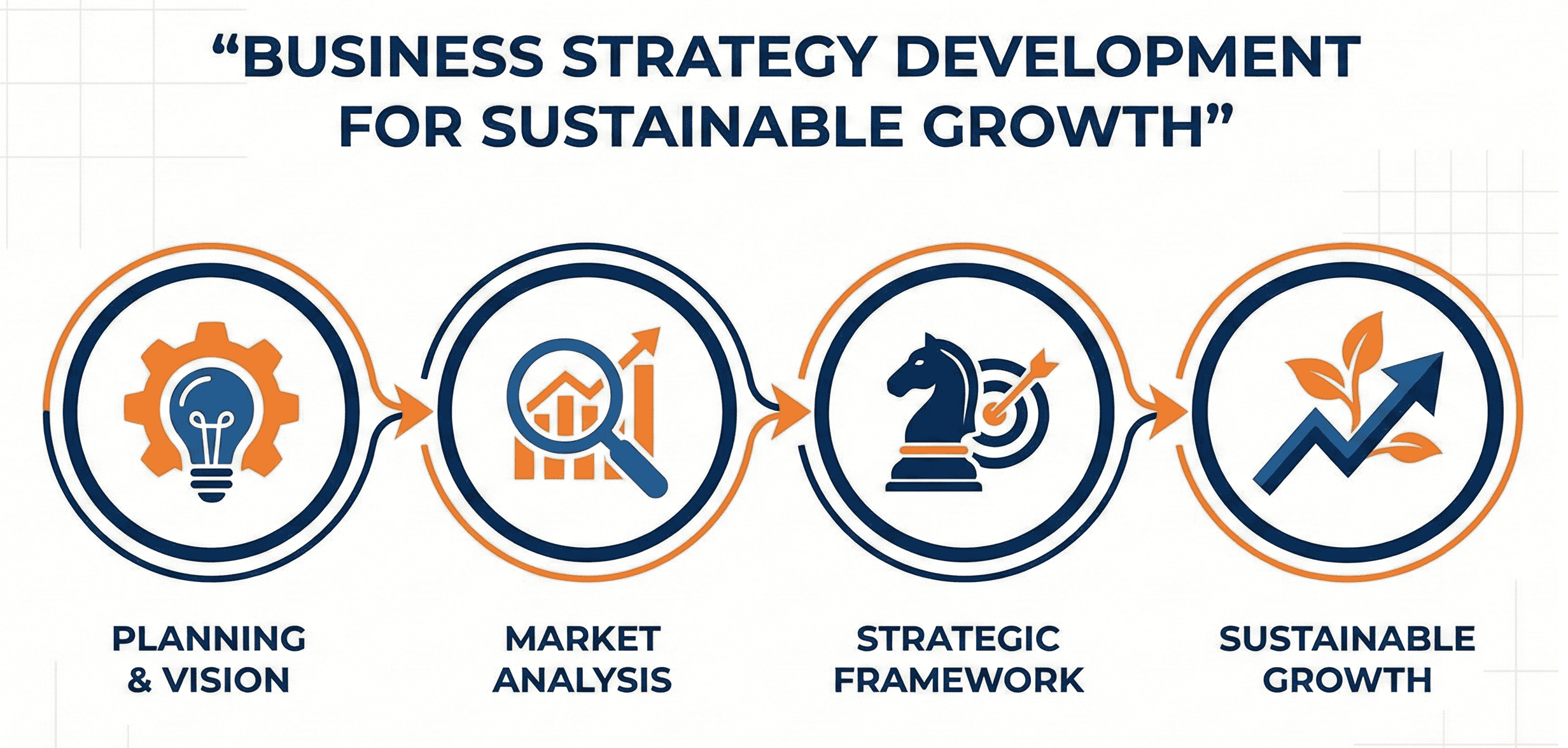
Every successful growth journey begins with a roadmap. Business plan writing isn't just an exercise for securing loans—it's a strategic tool that clarifies your vision, identifies opportunities, and anticipates challenges before they derail your progress.
A well-crafted business plan serves multiple purposes:
● Attracts investors and lenders by demonstrating market understanding
● Guides decision-making during periods of rapid growth or uncertainty
● Establishes measurable milestones for tracking progress
● Forces you to analyze competitors and differentiate your offerings
Professional business plan writing goes beyond financial projections. It tells your company's story in a way that resonates with stakeholders while providing the analytical framework needed for sustainable business growth.
Your plan should include a compelling executive summary, detailed market analysis, clear operational strategies, and realistic financial forecasts. Most importantly, it should be a living document that evolves as your business grows and market conditions change.
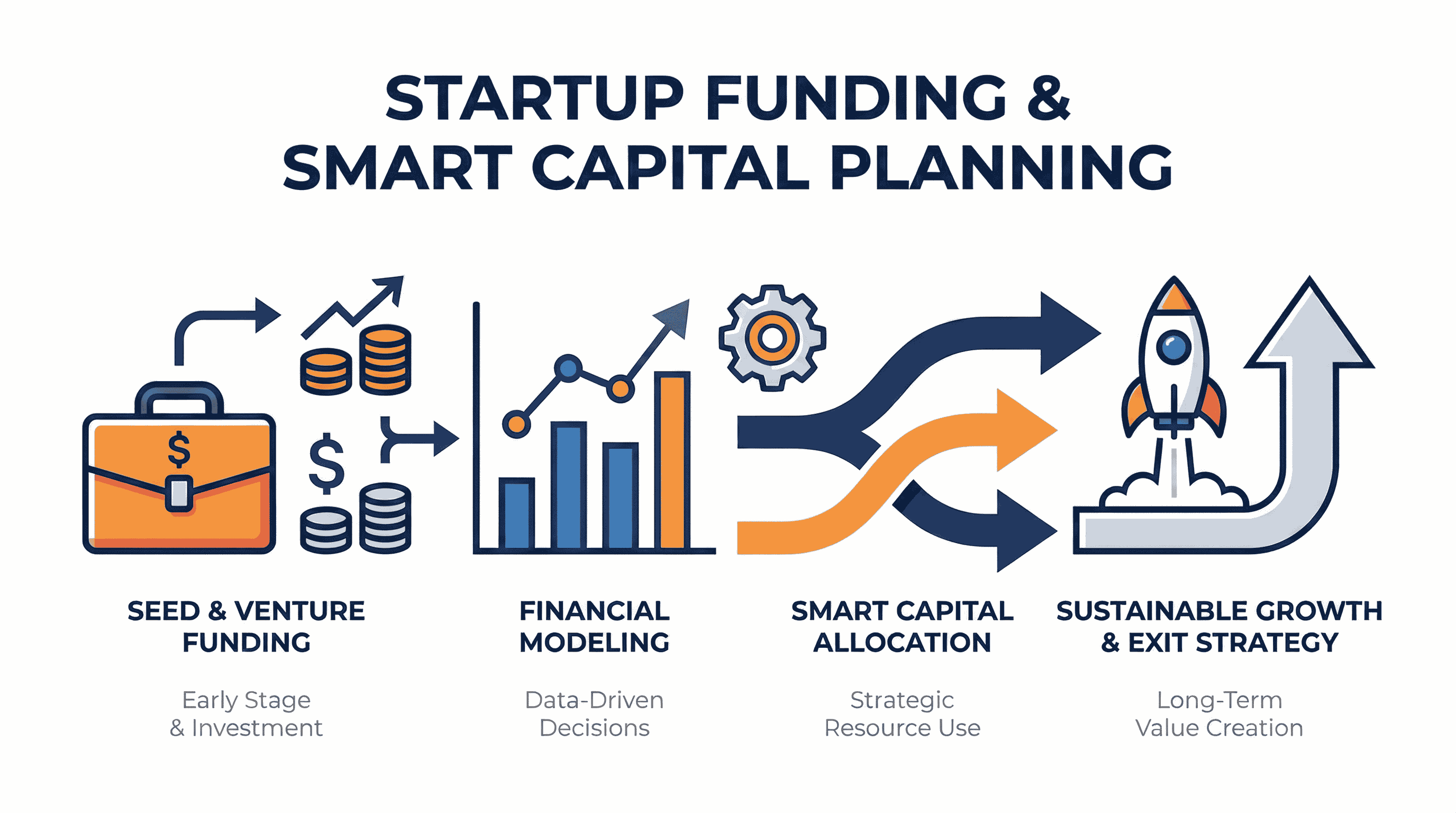
Access to capital often determines how quickly—and successfully—a business can scale. Understanding your startup funding options allows you to choose pathways that align with your goals and values.
The three primary funding categories each offer distinct advantages:
1. Investors: Provide capital in exchange for equity, often bringing expertise and connections
2. Grants: Offer non-dilutive funding that doesn't require repayment
3. Traditional financing: Includes bank loans and lines of credit with predictable terms
Many successful entrepreneurs combine multiple funding sources, creating a capital stack that minimizes risk while maximizing growth potential. The key is understanding which options fit your current stage and long-term vision.
Grants represent one of the most attractive funding options available because they don't require repayment or equity exchange. Government agencies, private foundations, and corporate programs offer billions in grant funding annually to businesses across virtually every industry.
Finding the right grants requires research and persistence. Start by exploring:
● Federal programs through agencies like the SBA and SBIR
● State and local economic development initiatives
● Industry-specific foundation grants
● Corporate innovation and diversity programs
Successful grant applications tell a compelling story while meeting specific criteria. Many businesses benefit from professional assistance in identifying opportunities and crafting winning proposals that stand out among competitive applicant pools.
Working with investors extends far beyond securing a check. The right investment partners bring industry expertise, valuable connections, and strategic guidance that accelerates business growth in ways capital alone cannot achieve.
Successful pitches communicate your value proposition clearly while demonstrating market opportunity and team capability. Investors want to see that you understand your customers, have a path to profitability, and possess the resilience to navigate challenges.
Building lasting investor relationships requires:
● Transparent communication about successes and setbacks
● Regular updates that demonstrate progress toward milestones
● Openness to strategic guidance and introductions
● Clear alignment on growth timelines and exit expectations
Remember, investors are partners in your success. Choose those whose values and vision align with yours for the most productive relationships.
Experience is expensive to acquire firsthand. Mentors offer a shortcut by sharing lessons learned, helping you avoid common pitfalls, and providing perspective during critical decisions.
Effective mentorship relationships are built on mutual respect and clear expectations. The best mentors have walked paths similar to yours and genuinely invest in your success without expecting anything in return.
To find the right mentors:
● Join industry associations and networking groups
● Participate in accelerator and incubator programs
● Leverage platforms like SCORE that connect entrepreneurs with experienced advisors
● Reach out authentically to leaders you admire
Don't limit yourself to a single mentor. Building a diverse advisory network ensures you receive varied perspectives on different aspects of your business.
While mentors offer informal guidance, business coaching provides structured support focused on specific outcomes. Professional coaches help leaders develop skills, overcome blind spots, and implement systems that enable sustainable growth.
Business coaching transforms organizations by:
● Strengthening leadership capabilities and decision-making
● Improving team dynamics and operational efficiency
● Creating accountability systems that drive consistent progress
● Developing strategies tailored to your unique challenges
The return on investment from quality coaching often exceeds expectations, as improved leadership cascades throughout the entire organization.
Small business growth strategies that work in any market include customer retention, cost control, diversification, digital presence improvement, and consistent value delivery.
Common business growth strategy examples include expanding to new markets, improving existing products, increasing customer loyalty, and forming strategic partnerships.
Growth strategies with examples include market penetration through discounts, product development by adding new features, and expansion by entering new locations.
The five business growth strategies are market penetration, market development, product development, diversification, and strategic partnerships.
An external growth strategy focuses on growth through mergers, acquisitions, joint ventures, or partnerships instead of relying only on internal business expansion.
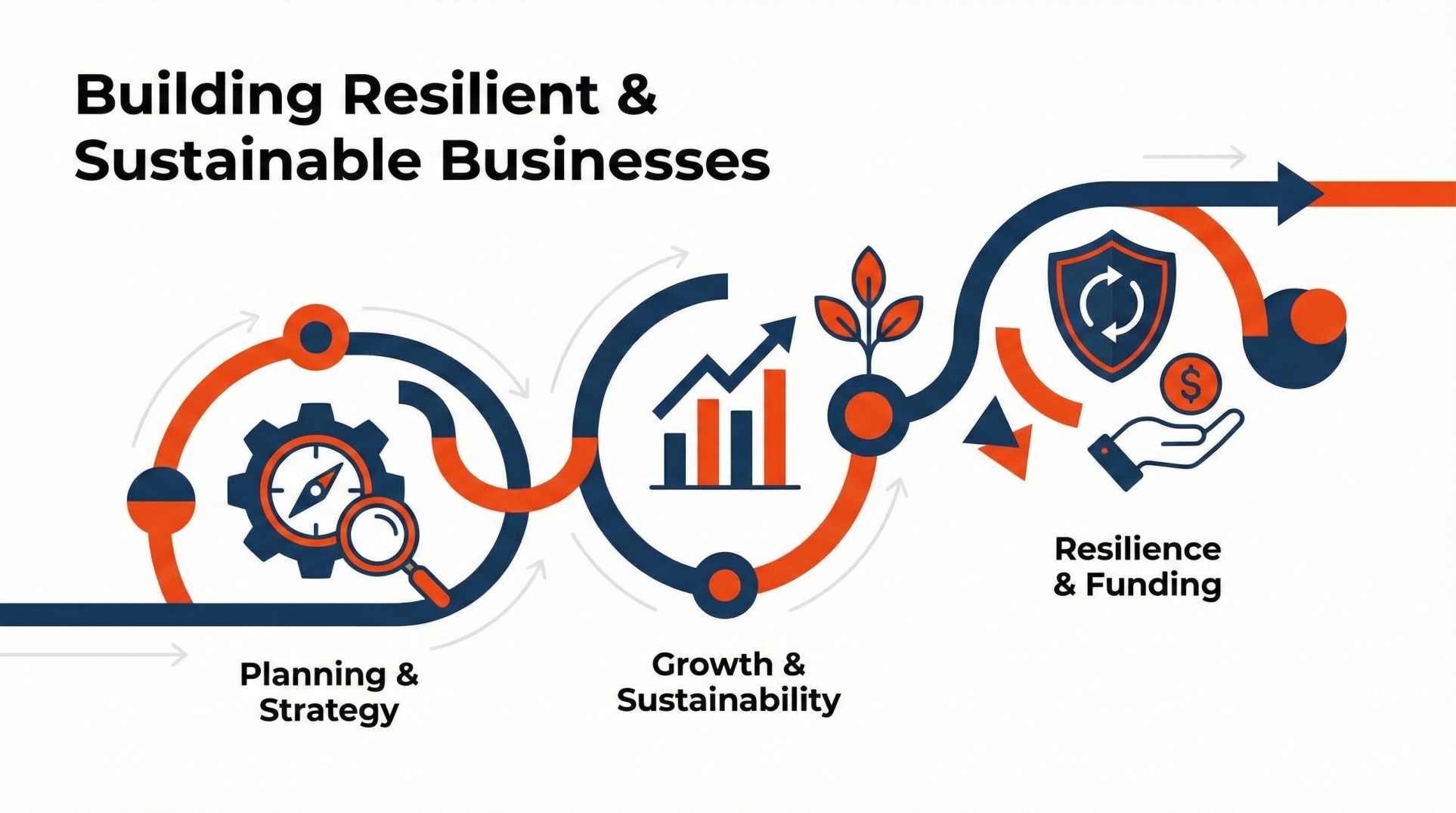
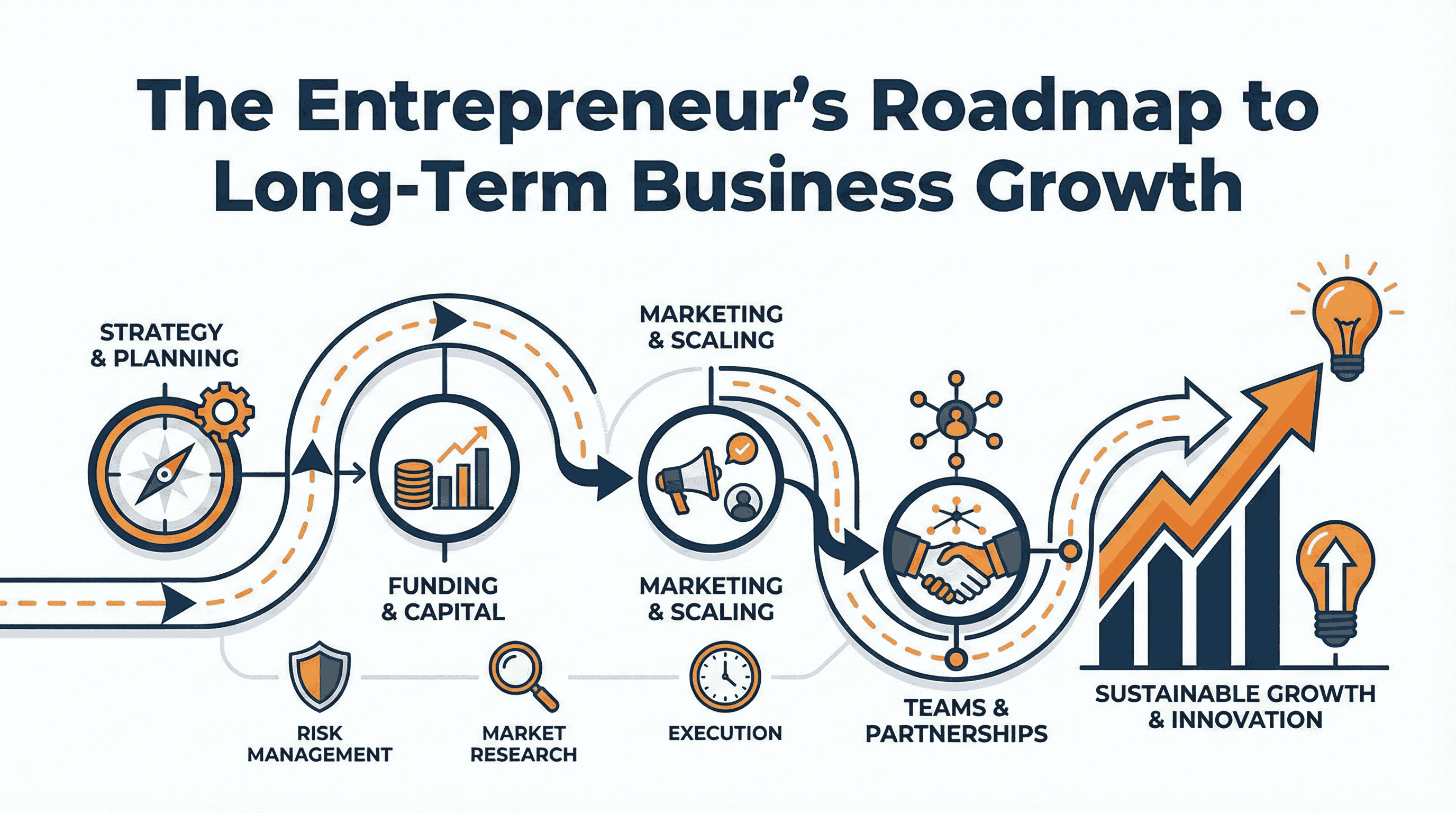
Sustainable business growth rarely results from a single strategy or funding source. The most successful entrepreneurs combine professional business plan writing with diverse funding approaches, strategic relationships with investors and mentors, and ongoing development through business coaching.
Your growth roadmap should reflect your unique circumstances, goals, and market position. Start by assessing your current resources, identifying gaps, and prioritizing the strategies that will deliver the greatest impact.
Whether you're seeking startup funding, exploring grants, or searching for the right guidance, remember that adaptability is your greatest asset. Build these strategies into your foundation, and you'll be prepared to thrive in any market condition.
For expert funding, business mentorship, business growth solutions, and entrepreneur programs, visit: The Entrepreneur Studio
Follow Us:
Facebook – https://www.facebook.com/people/The-Entrepreneur-Studio/61552810916102/
Instagram – https://www.instagram.com/theentrepreneurstudio/
Twitter – https://x.com/T_E_Studio
LinkedIn – https://www.linkedin.com/company/the-entrepreneur-studio/, Manmeet Abroll, Andrew Evans